How to Prevent Frozen Pipes During Chicago Winters
Md Faisal Hossain
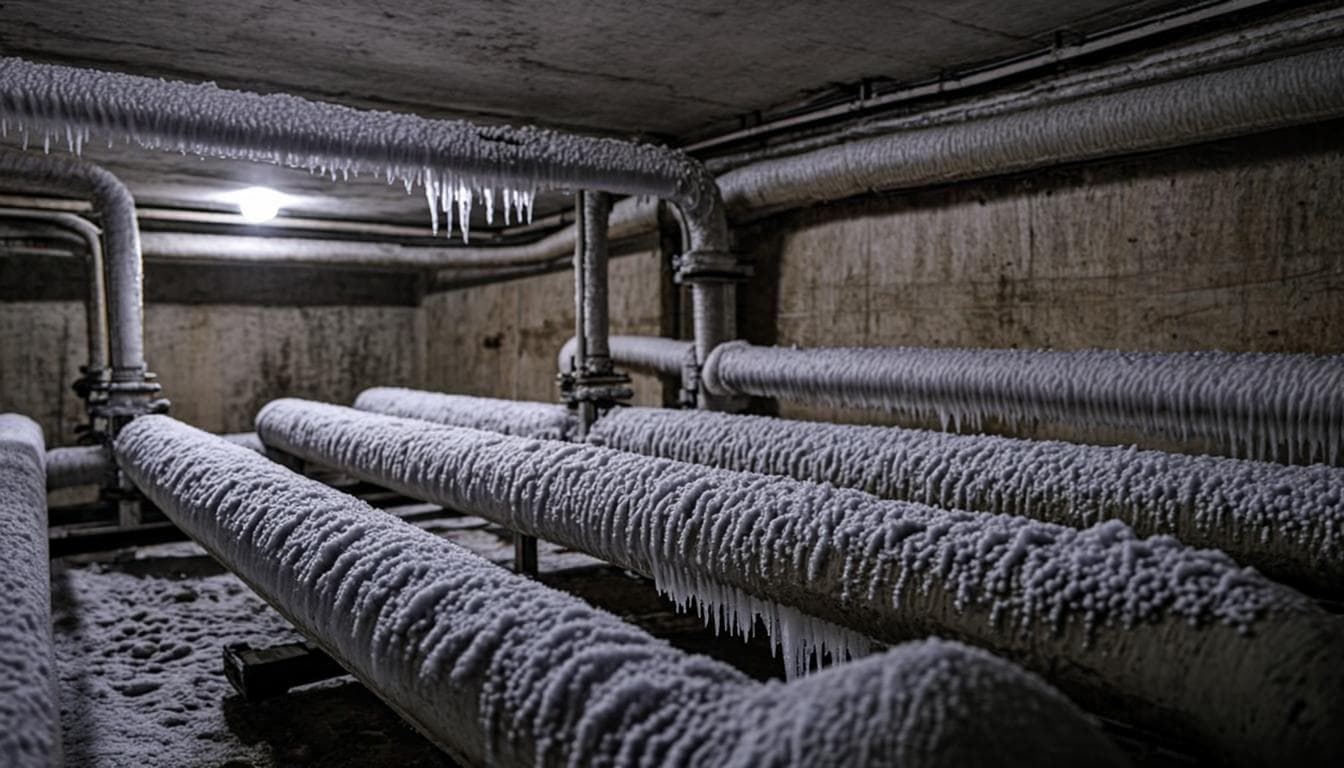
Every January, Chicago plumbers get flooded with the same emergency call: a pipe froze overnight and burst inside a wall. Water expands about 9% when it freezes, and the pressure inside copper or PEX lines can climb past 2,000 psi — more than enough to split fittings behind your drywall.
The good news: frozen pipes are almost entirely preventable. Here is the exact winter checklist our Chicago crew uses.
Why Chicago Homes Are at Risk
Homes in neighborhoods like Lincoln Park, Wicker Park, and Hyde Park often have plumbing routed through unheated crawl spaces, exterior walls, and old additions. Lake-effect wind chills below 0°F push freeze depth deeper than most northern suburbs, and older bungalows frequently have pipes with little or no insulation.
Before the First Hard Freeze
1. Insulate Exposed Pipes
Wrap pipes in unheated areas — basements, crawl spaces, garages, and along exterior walls — with foam pipe insulation. For high-risk runs, use UL-listed heat tape with an automatic thermostat.
2. Seal Air Leaks
Cold wind blowing through a rim joist crack can freeze a pipe even in a "warm" basement. Caulk and seal gaps where pipes enter the home.
3. Disconnect and Drain Outdoor Hoses
A connected hose keeps the outdoor faucet from fully draining — the single most common cause of burst hose bibs. Shut off and drain outdoor lines, then cover sillcocks with insulated caps.
4. Service Your Water Heater
Winter means your water heater works harder. Flush sediment and have it inspected before temperatures drop.
During a Deep Freeze
- Keep your thermostat at 60°F or higher, even when traveling
- Open cabinet doors under kitchen and bathroom sinks on exterior walls
- Let cold water drip from faucets served by vulnerable pipe runs — moving water is far harder to freeze
- Know where your main water shutoff valve is and test it before winter
If a Pipe Already Froze
- Shut off the main water valve
- Open the affected faucet to relieve pressure
- Warm the pipe with a hair dryer or heating pad, starting near the faucet
- Never use an open flame, propane torch, or boiling water
- Call a licensed plumber — a frozen pipe that "thaws" can still have split seams that leak hours later
When To Call an Emergency Plumber
If you have no water at all, see frost on exposed pipe sections, or hear cracking sounds inside a wall, treat it as an emergency. FlowRight Plumbing provides 24/7 frozen pipe thawing, burst pipe repair, and repiping across the Chicago area. Save our number: (888) 555-0199.
Last updated September 2, 2026 by Md Faisal Hossain · FlowRight Plumbing